


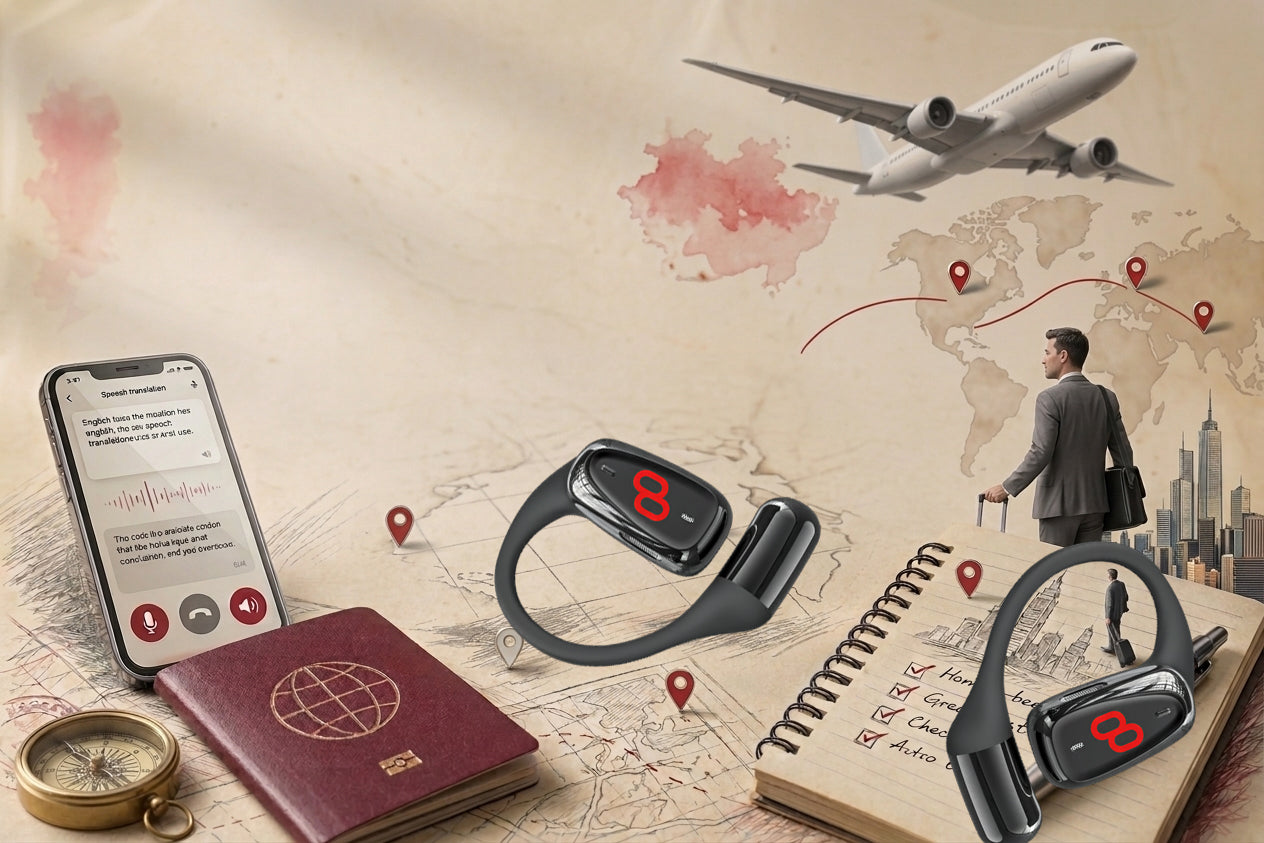
If you have ever tried to haggle with a taxi driver, sit through a bilingual meeting, or follow a speaker at a global event, you know one thing fast - translation earbuds only help when they keep up live. That is why Real-Time Translation matters more than flashy specs.
Most Language Translation Earbuds look close on paper. In real use, they vary a lot in speed, app reliance, noise control, conversation modes, and whether they work best for trips, calls, or speaker-led sessions. Some are great Conference Translation Earbuds. Some fit one-on-one chats better. Others act more like Professional Translation Earbuds for work.
This guide ranks the best Conference Translation Earbuds and top travel picks, then explains how the tech works and what features matter most. We also compared current brand pages and support docs to judge language coverage, offline use, latency, mic setup, comfort, and whether each pair of Conference Translation Earbuds fits travel, meetings, or daily multilingual talk.
Table of Contents
· What to know about real-time translation earbuds
· How to choose the right translation earbuds
Quick Comparison
|
Earbuds |
Best for |
Languages / accents |
Connectivity |
Translation modes |
|
|
Travelers and professionals who want open-ear comfort |
40+ languages |
Bluetooth 5.1 |
Live call, face-to-face, meetings, audio/video, live interpretation |
||
|
Travel and multi-mode communication |
50+ languages |
Phone, Wi-Fi, eSIM, or offline options depending on mode |
Duo, group, continuous real-time translation |
What to know about real-time translation earbuds
Real-time translation earbuds listen to speech, turn it into text, translate it, and play the result back fast enough to keep a talk moving. Most use a phone app, cloud AI, or a small companion device to handle the hard work. The best ones do more than translate words. They also cut noise, keep delay low, and stay clear in busy streets, airports, meeting rooms, and trade shows.
That matters more now because more people work across borders, travel often, and join mixed-language calls. A good pair can remove small blocks that slow everything down, like asking someone to repeat a point, switching to chat, or handing over a phone. For travelers, that means smoother check-ins, directions, and local help. For professionals, it means better sales talks, client meetings, and team chats.
Translation quality still depends on accent, internet connection, background noise, and how naturally both people speak.
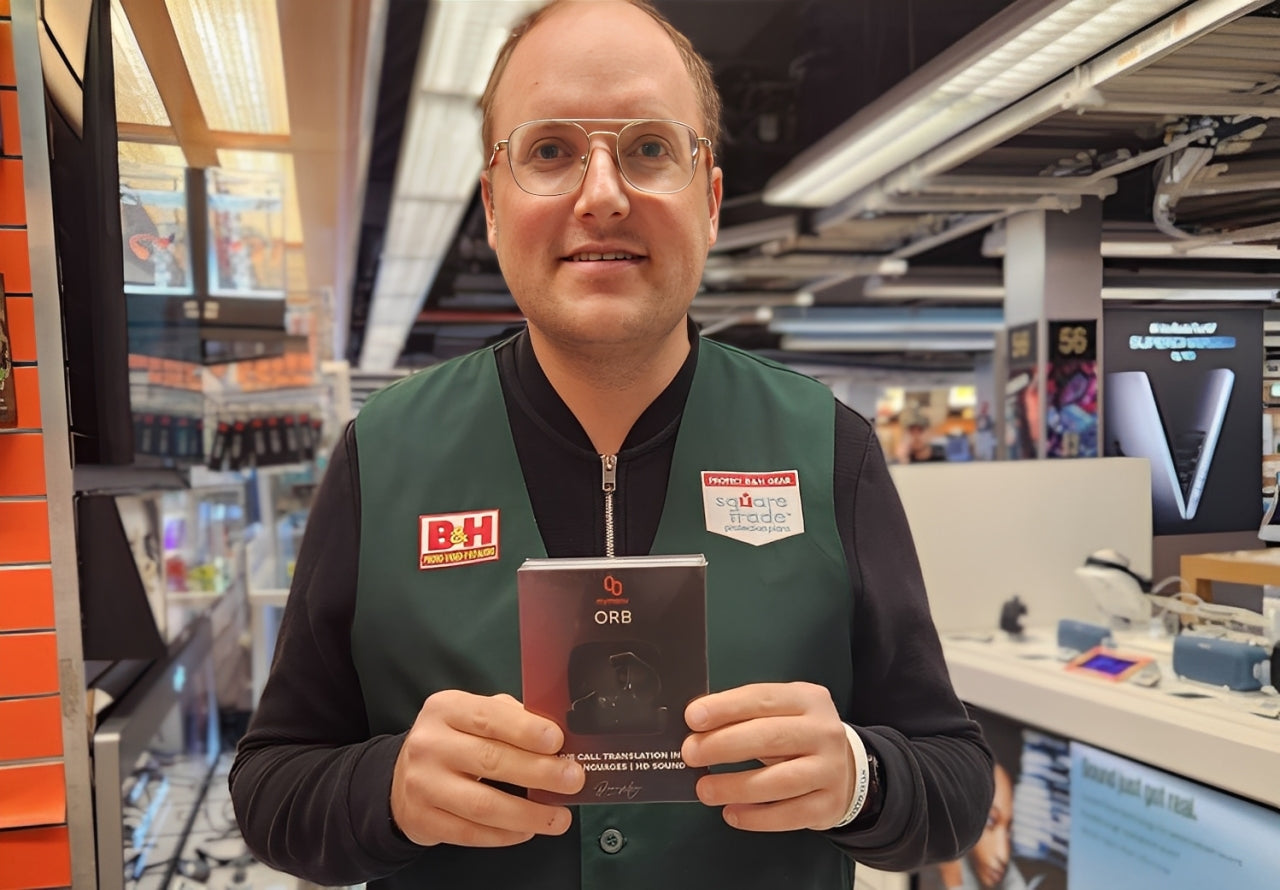
1. Mymanu Orb
Mymanu Orb stands out because it uses an open-ear fit instead of sealing you off. That makes these real-time translation earbuds feel more natural for travel, commuting, and work when you still need to hear traffic, gate calls, or the room around you.

Highlights
· Open-ear design helps you stay aware in busy places instead of blocking outside sound.
· Covers more than basic chat, with live call translation and meeting minutes built into the wider experience.
· Handles face-to-face talks, audio and video translation, and live interpretation, which makes it useful for both trips and workdays.
· The companion Android app listing confirms the call translator focus for mobile use.
Specs
· Tagline: Open-ear AI translation earbuds for people who want to stay aware while they communicate.
· Best for: Travelers and professionals who want open-ear comfort
· Languages / accents: 40+ languages
· Connectivity: Bluetooth 5.1
· Translation modes: Live call, face-to-face, meetings, audio/video, live interpretation
Pros
· Open-ear translation earbuds feel less isolating than sealed models during walking, airport movement, or long days.
· Broad feature range gives you one device for calls, in-person chats, transcripts, and media translation.
· Lightweight, movement-friendly design fits commuters and travelers who do not want bulky gear.
· Good pick for professional translation earbuds buyers who care about meetings as much as casual conversation.
Cons
· AI features can depend on device and app support, so your setup matters.
· Open-ear buds can leak more sound than sealed earbuds in quiet spaces.
· If you want maximum passive noise blocking on planes, this style is not the strongest fit.
Tip: Mymanu Orb makes the most sense if you switch between calls, meetings, and in-person conversations often. If you only need simple one-on-one translation, some rivals may feel less feature-heavy.
It ranks first because it blends open-ear comfort with one of the widest feature sets in language translation earbuds, so it works well for travelers, remote teams, and business users who want one pair for many real situations.
Last updated: June 20, 2026
Also Read: Buying Guides Comparisons
2. Mymanu Clik Pro
Mymanu Clik Pro is a flexible pick for people who move between casual travel chats and more formal work use. It supports 50+ languages and gives you Duo, Group, and Continuous modes, which makes it one of the more adaptable real-time translation earbuds in this ranking.

Highlights
· Duo Translation can work without a phone, using the charging case speaker for quick one-to-one exchanges, as shown on the product page.
· Group Translation runs through the MyJuno app for team chats, remote sessions, or mixed-language meetups.
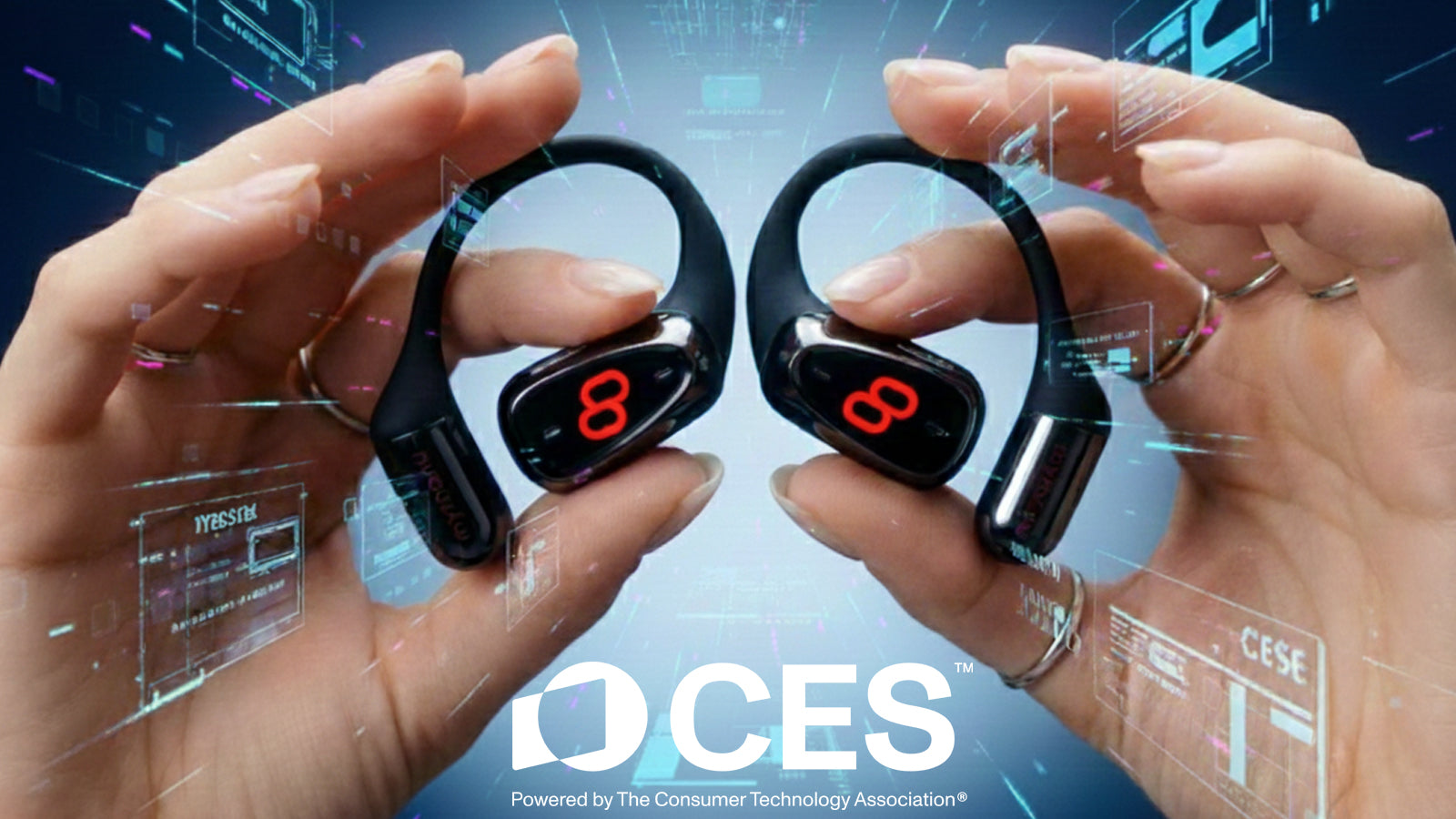
· Continuous Translation is useful for lectures, presentations, and conference-style listening. Mymanu also says the Clik Pro was a CES 2024 Innovation Award Honoree, which adds some credibility here.
Specs
· Best for: Travel and multi-mode communication
· Languages / accents: 50+ languages
· Connectivity: Phone, Wi-Fi, eSIM, or offline options depending on mode
· Translation modes: Duo, group, continuous real-time translation
Pros
· Flexible modes for different conversation types
· Good balance of travel and business use
· No-phone option in Duo mode
Cons
· Some modes require app and phone
· Not the simplest choice for first-time buyers
It ranks here because it bridges holiday use and business use well, but it feels more niche than the newest flagship professional translation earbuds.
Last updated: June 20, 2026
Also Read: Translation Earbuds
How to choose the right translation earbuds
Pick based on how you talk, not just how many languages the box shows.
· Choose open-ear for movement and safety. If you walk through airports, commute, or need street awareness, open-ear designs make more sense. They let you hear gates, traffic, and people around you. That is a strong fit for travelers, and a natural area where Mymanu stands out.
· Choose business-first models for work features. Some earbuds are built more for casual chat. Others handle call translation, meeting interpretation, live subtitles, and transcripts. If you spend your day on Zoom, Teams, or client calls, start there.
· Check if they work without constant phone use. Some models need the app for almost everything. Others feel more standalone. If you hate juggling your phone in stations, taxis, or security lines, this matters a lot.
· Compare translation modes, not just language count. Face-to-face chat, phone calls, and group meetings all work differently. A pair that is great one-on-one may feel weak in conference use.
· Read battery claims carefully. Translation-mode battery life is the real number to check. Music playback time is often much longer.
If you need earbuds for a team, look for multi-person support, saved notes, and smooth handoff between speakers. That matters more than flashy specs.
If you want translation earbuds that keep up in airports, client meetings, and daily calls, take a closer look at Mymanu. Its open-ear AI translation earbuds help you hear live speech while staying aware of your surroundings. Check the product range, compare fit and features, and pick the setup that matches how you travel and work.
Frequently Asked Questions
Q1: How do translation earbuds compare to pocket translators for travel and business use?
Translation earbuds feel faster and more natural in live talk. You keep your hands free, hear replies in your ear, and stay engaged. Pocket translators still help in loud places or short hotel and taxi chats where speaker-based playback is enough.
Q2: How do real-time translation earbuds work and what core technology do they use?
Most models use speech recognition, machine translation, and text-to-speech. Your words get captured, processed in an app or cloud system, then played back in another language. Better earbuds also add noise control, beamforming mics, and call translation for remote work.
Q3: What are the key features to consider when choosing the best real-time translation earbuds?
Check language support, speed, mic quality, battery life, comfort, and app stability first. Then look at offline mode, call translation, open-ear or in-ear fit, and speaker modes. For mixed work and travel use, strong call handling matters more than huge language counts.
Q4: Do translation earbuds work well for phone calls and virtual meetings?
Some do, but performance varies a lot. Look for models built for two-way calls, not just face-to-face translation. Mymanu stands out here because its sound-first design supports calls and live talk, while some rivals focus more on app-led travel translation.
Q5: Are offline translation modes actually useful?
Yes, but only for basic travel moments. Offline packs help with airports, taxis, and simple directions when data is weak. Accuracy usually drops versus cloud mode, especially with accents, slang, or fast business talk, so do not treat offline mode as your main setting.

Aktie:
Translation earbud uses in classrooms: 2026 guide
How Real-Time Translation Earbuds Are Changing Global Travel