


Earbuds are personal audio devices that can both support and compromise your travel safety by directly affecting your environmental awareness and communication abilities. The role of earbuds in travel safety is more complex than most travelers realize. Used well, they give you hands-free communication, real-time translation, and stress-free entertainment on long journeys. Used carelessly, they create auditory blind spots that increase your risk of accidents, missed announcements, and hearing damage. This guide covers what the research says, what airlines now require, and which earbud types actually keep you safer on the road.
How earbuds impact situational awareness during travel
Earbuds reduce your ability to detect hazards around you. A peer-reviewed mini literature review in Discover Public Health confirms that auditory distraction from personal audio devices compromises hazard perception and reaction time in outdoor and high-traffic environments. That means slower responses to approaching vehicles, missed platform announcements, and reduced ability to hear someone calling your name in a crowd.
The technical term for this is auditory masking. It describes how one sound blocks your brain’s ability to detect another. Earbuds do not just lower the volume of the outside world. They actively interfere with your brain’s processing of environmental cues, which is a meaningfully different and more dangerous effect.
Several factors make auditory masking worse:
-
High volume settings block ambient sound entirely, even without active noise cancellation (ANC)
-
Active noise cancellation adds a second layer of isolation on top of the audio itself
-
In-ear fit creates a physical seal that reduces sound transmission before any electronics engage
-
Fatigue during long trips slows your reaction time further when your hearing is already compromised
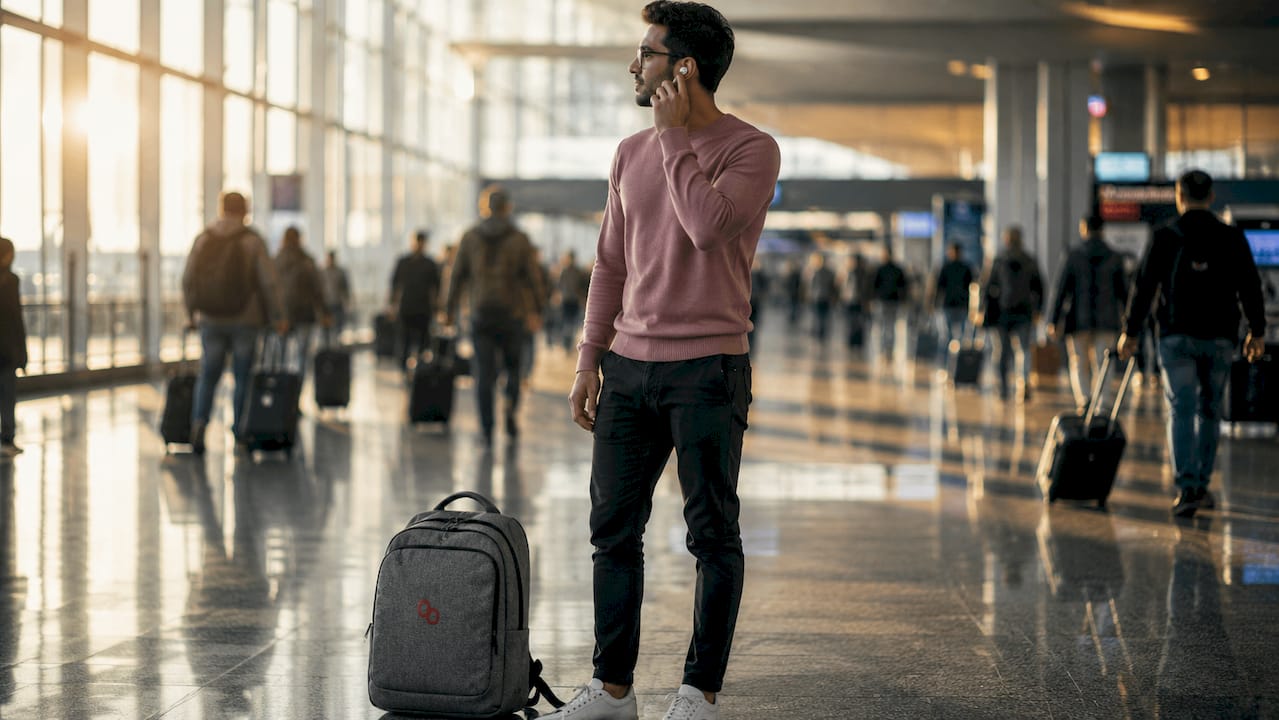
Pro Tip: When walking through busy transit hubs like airports or train stations, pause your audio and remove one earbud. This single habit restores enough situational awareness to catch most hazards.
The risk is not theoretical. Auditory distraction from earbuds is now documented as a growing public health concern, particularly for pedestrians and cyclists. Travelers who stay aware wearing earbuds traveling through unfamiliar cities are at a measurably lower risk than those who treat audio immersion as the default setting.
What safe listening practices should travelers follow?
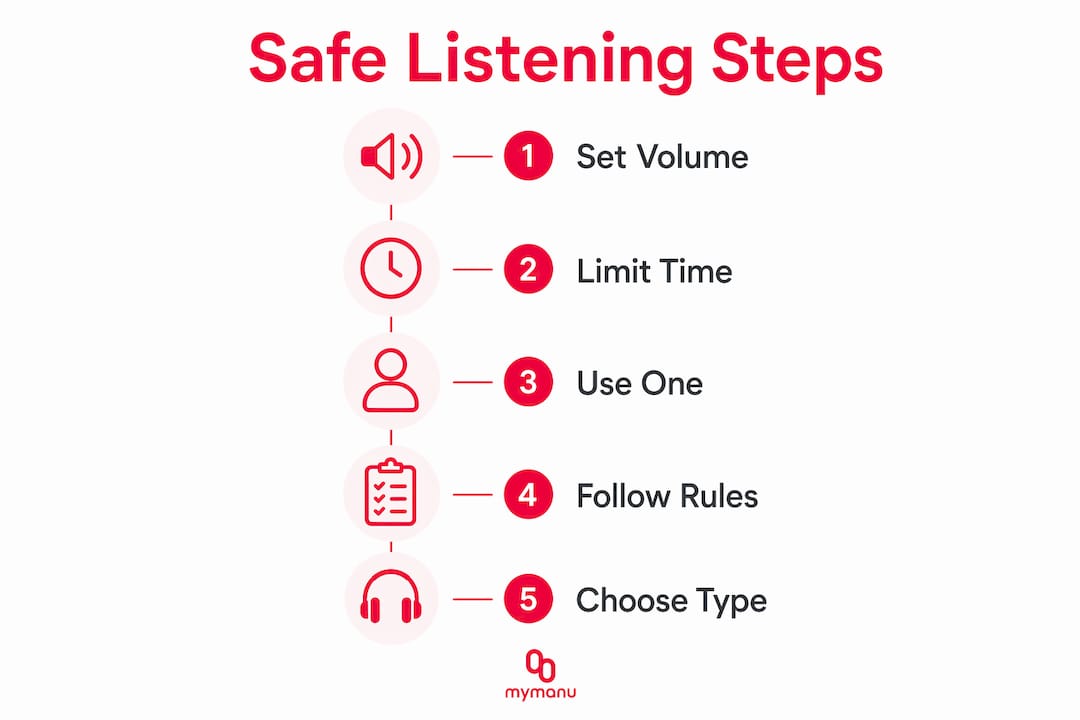
Safe listening is defined by two variables: volume level and exposure time. The World Health Organization sets the safe upper limit at 75 dB for up to 8 hours of continuous listening. The 60/60 rule is the practical application of this guidance: listen at no more than 60% of maximum volume for no longer than 60 minutes, then take a break.
The math behind the WHO guidance is worth understanding. Above 85 dB, safe exposure time halves with every additional 3 dB increase. A traveler listening at 94 dB on a long-haul flight has less than one hour before they reach the daily safe exposure limit. Most people have no idea how loud their earbuds actually are.
Here are five safe listening habits every traveler should build:
-
Set a volume ceiling before you board. Cap your device at 60% maximum volume before you get on a plane, train, or bus. Removing the temptation to crank it up in a noisy cabin prevents gradual volume creep.
-
Use the 60/60 rule on long journeys. After 60 minutes of listening, take a 10-minute break with earbuds out. Your hearing recovers faster with short, frequent breaks than with one long rest at the end.
-
Avoid ANC in environments where you need alerts. Active noise cancellation is useful on a plane at cruising altitude. It is a liability when you are walking through a busy station or waiting for a gate change.
-
Check your device’s volume health feature. Both iOS and Android now include hearing health dashboards that log your average listening levels. Review yours weekly, especially during heavy travel periods.
-
Use ambient sound passthrough when stationary. Many modern earbuds include a transparency or passthrough mode that pipes in external audio. This lets you listen to music while still hearing gate announcements or a fellow traveler speaking to you.
Pro Tip: Normal conversation sits at 50–60 dB. If you cannot hear someone speaking to you at arm’s length while wearing earbuds, your volume is already in the danger zone.
Air travel rules for earbuds and charging cases
Airlines have specific rules for earbuds and their accessories, and the rules tightened in 2025 and 2026. The most significant change involves charging cases. Two major airlines now ban earbud charging cases containing lithium batteries from checked baggage entirely. The reason is fire safety. Lithium battery incidents are far better managed when the battery is in the cabin, where crew can respond immediately, rather than in the cargo hold where a fire can spread undetected.
Here is a quick reference for what to expect on most major carriers:
| Situation | General Rule | Notes |
|---|---|---|
| Earbud charging case | Carry-on only | Lithium batteries banned from checked bags |
| Bluetooth earbuds during takeoff | Powered off or airplane mode | Crew instructions override all other rules |
| Bluetooth earbuds at cruising altitude | Generally permitted | Confirm with your airline before flying |
| Wired earbuds during all flight phases | Usually permitted | Check individual airline policy |
| ANC earbuds during safety briefings | Remove or pause | Required to hear crew instructions |
The practical takeaway is straightforward. Pack your charging case in your carry-on before you leave for the airport. Doing this proactively avoids last-minute gate checks and keeps you compliant with lithium battery rules without any stress. Always remove your earbuds during safety briefings. Crew instructions legally override FAA general permissions, and missing a safety briefing because of audio immersion is a risk no traveler should take.
Open-ear vs. noise-cancelling vs. traditional earbuds for travel
Choosing the right earbud type for travel is a direct safety decision, not just a comfort preference. Each type makes a different tradeoff between audio quality and environmental awareness.
| Earbud Type | Situational Awareness | Best Travel Use Case |
|---|---|---|
| Open-ear (bone conduction or air conduction) | High: ambient sound passes freely | Walking, cycling, busy transit hubs |
| Noise-cancelling (ANC) | Low: actively blocks external sound | Long-haul flights, loud train cabins |
| Traditional in-ear (no ANC) | Medium: depends on fit and volume | Flexible, general travel use |
Open-ear earbuds allow ambient sounds to pass through naturally, which makes them the strongest choice for safety-conscious travelers in dynamic environments. The tradeoff is less audio isolation, so they work best when you are moving through a city or navigating a transit hub rather than trying to sleep on a red-eye flight.
Noise-cancelling earbuds deliver the best audio experience on planes and loud trains, but they carry real risk when used outside those controlled environments. The key points to remember:
-
Use ANC only in environments where you do not need to monitor your surroundings
-
Switch to transparency mode or remove one earbud when you are walking, boarding, or waiting at a gate
-
Never rely on ANC earbuds as your only audio source during safety-critical moments like crossing streets or navigating unfamiliar stations
Traditional in-ear earbuds without ANC sit in the middle. Their awareness level depends almost entirely on how loud you play them and how tightly they fit. At moderate volumes, they are a reasonable all-purpose travel option.
How do AI earbuds support safer, more aware travel?
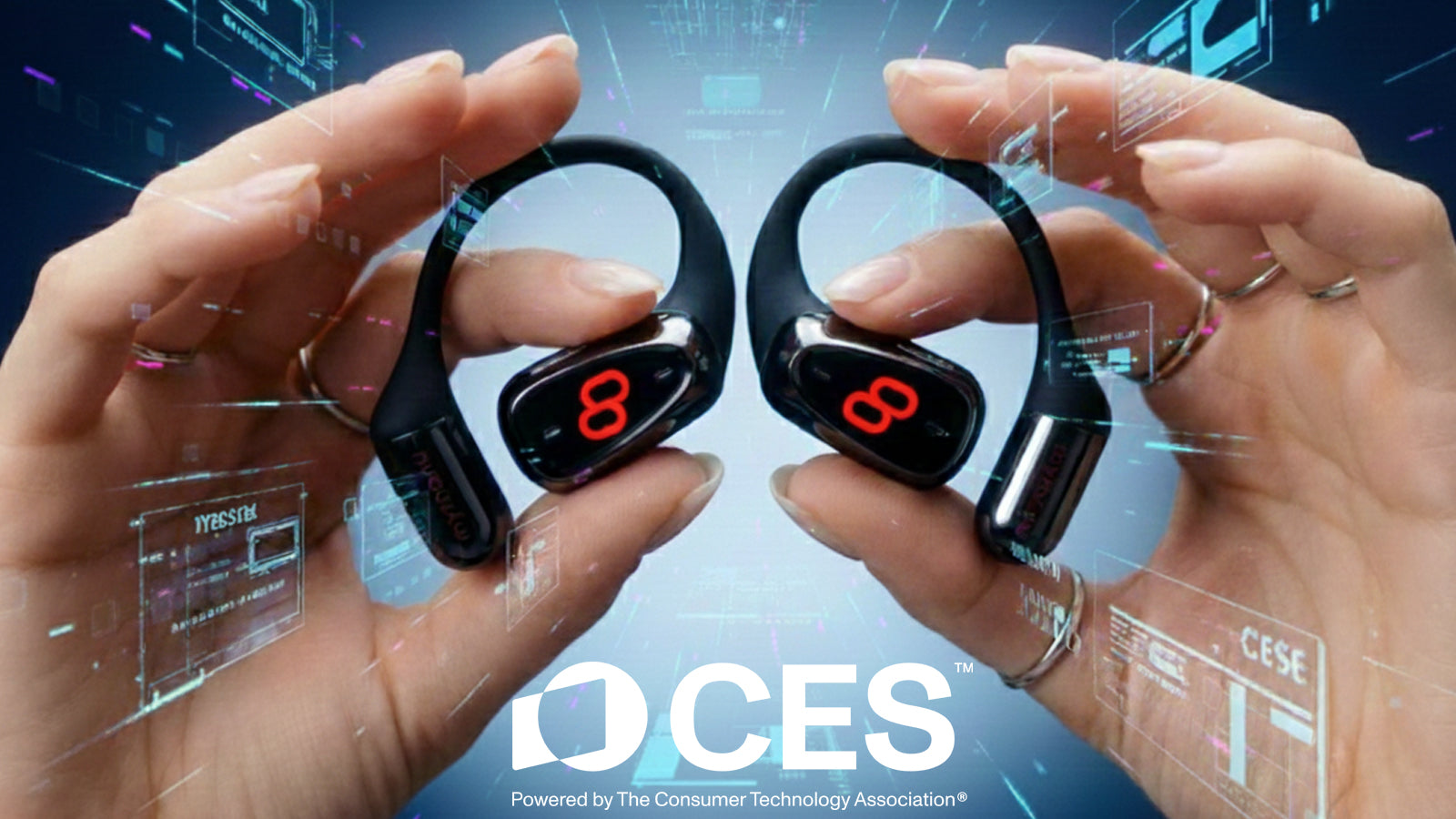
AI-powered earbuds represent the most significant shift in how earbuds enhance safety travel in recent years. Devices like the Mymanu Orb combine real-time translation across 50+ languages with ambient sound passthrough technology. That combination directly addresses the two biggest safety gaps in traditional earbuds: communication barriers and auditory isolation.
Here is what sets AI earbuds apart for travelers:
-
Real-time translation lets you understand announcements, signs, and conversations in unfamiliar languages without removing your earbuds or pulling out your phone
-
Ambient sound passthrough keeps you connected to your environment while you listen, so you hear both your audio and the world around you
-
Smart volume adjustment in advanced models responds to environmental noise levels, reducing the risk of unconscious volume creep in loud cabins
-
Hands-free communication via Bluetooth keeps your phone in your pocket during calls, reducing distraction in busy transit environments
The Mymanu Orb adds fitness-grade durability to these features, making it a strong option for travelers who move between airports, outdoor environments, and business meetings on the same trip. For travelers asking why earbuds matter for solo travel specifically, the translation and hands-free features are the clearest answer. Navigating alone in a country where you do not speak the language is measurably safer when your earbuds can translate in real time and keep your hands free.
The Mymanu Titan takes connectivity further with built-in eSIM technology, allowing travelers to stay connected without a local SIM card. That level of independent connectivity is a genuine safety feature for solo travelers in remote or unfamiliar destinations.
Key takeaways
Earbuds improve travel safety when you match the right type to your environment and follow volume and airline rules consistently.
| Point | Details |
|---|---|
| Auditory masking is the core risk | Earbuds block hazard detection beyond just volume, compromising reaction time in traffic and transit. |
| Follow the 60/60 rule | Listen at 60% volume for 60-minute sessions, then take a break to protect hearing on long trips. |
| Pack charging cases in carry-on | Lithium battery rules require charging cases in cabin baggage on most major airlines. |
| Match earbud type to environment | Use open-ear earbuds in dynamic settings and ANC only in controlled, low-hazard environments. |
| AI earbuds add a safety layer | Real-time translation and ambient passthrough keep you aware and communicating without removing your earbuds. |
What traveling with earbuds has taught us
The most common mistake travelers make is treating earbuds as an on/off decision. You either wear them or you do not. The reality is that safe earbud use is a continuous set of small adjustments based on where you are and what is happening around you.
We have seen this play out in real terms. A traveler wearing ANC earbuds at full volume in a busy airport is genuinely less safe than one with no earbuds at all. But a traveler using open-ear earbuds at moderate volume with passthrough enabled is arguably more aware than someone distracted by their phone. The technology is not the problem. The habit is.
The 60/60 rule and WHO guidelines are not overly cautious. They reflect the actual physics of how sound damages hearing and how auditory masking works. Ignoring them during a two-week trip is not a meaningful risk. Ignoring them across years of frequent travel adds up to measurable hearing loss.
Our honest view is that AI earbuds like the Mymanu orb represent a genuine step forward, not just a marketing claim. The combination of translation, passthrough audio, and hands-free connectivity solves real problems that safety-conscious travelers face every day. The best earbud for travel is not the one with the best sound quality. It is the one that keeps you connected to both your audio and your environment at the same time.
— Mymanu
Travel smarter with Mymanu earbuds
Mymanu builds earbuds specifically for travelers who need to stay aware, connected, and understood across languages and environments. The Mymanu orb and Clik Pro combine real-time AI translation with ambient sound passthrough, giving you the communication tools you need without cutting you off from your surroundings.
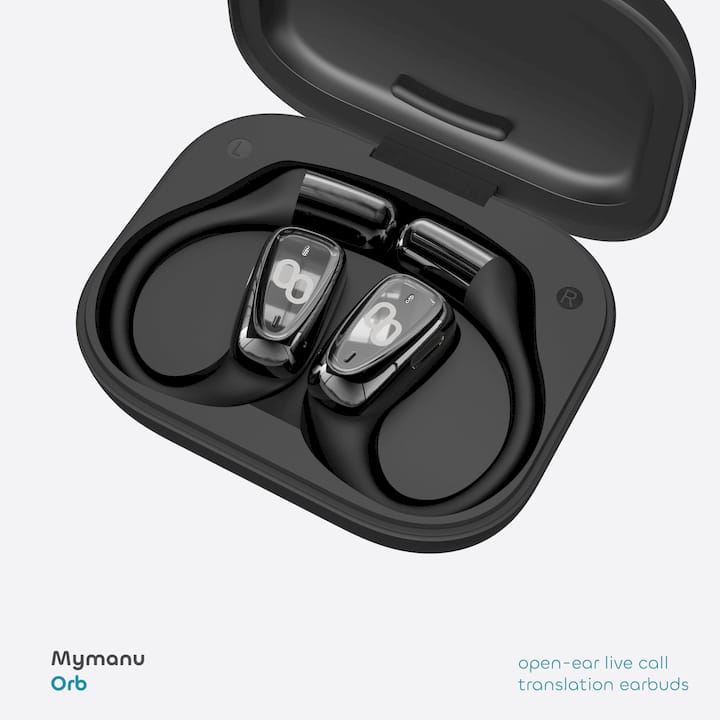
Both models comply with airline lithium battery carry-on rules when packed correctly, and their hands-free design keeps your attention where it belongs during busy transit moments. Whether you are navigating a foreign city solo or managing back-to-back connections, explore the full Mymanu Clik collection to find the right fit for your travel style. For fitness-grade durability with the same smart features, the Clik S is built to keep up with every leg of your trip.
FAQ
Do earbuds make you less safe while traveling?
Earbuds reduce situational awareness through auditory masking, which lowers your ability to detect vehicles, alerts, and announcements. The risk is manageable with the right habits, such as using open-ear designs or passthrough mode in dynamic environments.
What is the 60/60 rule for earbud use?
The 60/60 rule means listening at no more than 60% of maximum volume for no longer than 60 minutes before taking a break. This practice aligns with WHO guidance on safe listening levels and reduces long-term hearing damage risk during extended travel.
Can you use bluetooth earbuds on airplanes?
Bluetooth earbuds are generally permitted at cruising altitude, but crew instructions and individual airline policies take priority. Always power down or switch to airplane mode during takeoff, landing, and safety briefings.
Why are earbud charging cases banned from checked bags?
Charging cases contain lithium batteries, which pose a fire risk in cargo holds where crew cannot respond quickly. Most major airlines now require these cases to travel in carry-on baggage only.
What earbud type is best for solo travel safety?
Open-ear earbuds or AI earbuds with ambient sound passthrough are the strongest choices for solo travelers. They maintain environmental awareness while still delivering audio, translation, and hands-free communication features.

Share:
Best Earbuds for International Travel in 2026: Why Open-Ear Translation Wins
Clean Earbuds: Maintain Audio Performance in 2026