



Quick Summary: Cross-cultural communication tools should match the situation, whether for quick chats, meetings, or sensitive talks. Voice earbuds and translation apps help keep conversations flowing, especially when used with clear, simple speech. Understanding cultural cues like tone and non-verbal signals is crucial for respectful communication. The right tools support better dialogue, but listening and adapting habits are key to building trust across cultures.
You're in a market in Lisbon, asking about ingredients, and the stallholder answers in Portuguese while your phone catches only half of it. That's when cross-cultural communication tools matter. The challenge isn't just translation, it's tone, context and trust. This guide shows which cross-cultural communication tools help in travel, work and daily life, and how to use cross-cultural communication tools with more care. I've focused on what works in real conversations, not just on a spec sheet.
1. Match the tool to the kind of conversation
Pick the tool by risk, speed and setting. UNESCO says language tech should support multilingual inclusion, not replace human care in every case UNESCO's roadmap on multilingualism.
- Fast, low-stakes conversations Use live captions, phrase apps, or translation earbuds for quick chats, directions, menus, or shopping. If the point is simple, speed matters more than perfect nuance. Mymanu fits well here because hands-free audio keeps your focus on the person, not the screen.
- Meetings and team calls Use tools with shared captions, speaker labels, transcript export, and glossary support. Team calls need clarity more than flair. Pick something that helps everyone track turns, names, and action points, especially when accents and background noise make listening harder.
- Sensitive or high-stakes conversations Use a human interpreter, or at least human review. A 2026 study found AI still misses context and cultural rhetoric in formal speech translation Lingnan University research summary. For medical, legal, conflict, or HR talks, accuracy and trust come first.
2. Use translation tools that keep the conversation flowing
Voice tools work best when they reduce pauses, not add theatre. For travel, pick earbuds or apps that handle short back-and-forth speech well, so you can ask for directions, order food, or fix a booking without stopping every sentence.
For group calls, built-in meeting translation is getting better fast. MyJuno offers real-time speech-to-speech translation, and multilingual meetings can include live translated captions and transcripts in many languages through MyJuno Application and multilingual speech recognition.
Keep sentences short and plain. Every tool translates clearer speech better.
In 2026, the newest tools add voice simulation, better live captions, and smoother hand-off between earbuds, phone and meeting apps. Mymanu fits this shift well if you want sound first, hands-free support that keeps you present.
Also Read: https://mymanu.com/blogs/newsroom
3. Add cultural context, not just words
Words alone rarely carry the full message. Intercultural communication also depends on values, social rules, and how people read intent.
Tone, directness, and politeness
A clear sentence in one culture can sound blunt in another. Some people value straight answers, others expect softening words, pauses, or more formal respect. Adjust your tone, not just your translation.

Non-verbal cues and turn-taking
Eye contact, silence, hand movement, and personal space all shape meaning. Britannica’s overview of nonverbal communication notes that gestures and gaze vary across cultures, so even a polite pause can be read differently.
If a reply feels odd, check the cue, not just the words.
Simple preparation before you speak
- Check greeting style.
- Notice formality level.
- Watch how fast people take turns.
- Mirror carefully, without copying too much.
Also Read: https://mymanu.com/blogs/case-studies
4. Choose the setup that fits your life and your work
Pick tools by situation, not by hype. UNESCO notes that language technologies like machine translation and speech tools can widen access across languages in digital spaces UNESCO's multilingualism roadmap.
- For travellers and mobile users: Choose light, fast tools with offline support, clear audio and long battery life. That matters more than endless features when you're ordering food, asking for help, or finding the right train in Lisbon.
- For language learners and music fans: Use tools that help you hear words well, repeat them, and switch between listening and translation. UNESCO also stresses the value of multilingual learning in education guidance. Mymanu fits here if you want sound quality first.
- For professional communicators: Pick reliable speech capture, live transcription, and discreet hands-free use. > Good cross-cultural communication still starts with listening, pausing, and checking meaning. Tools help, but your tone does the real work.
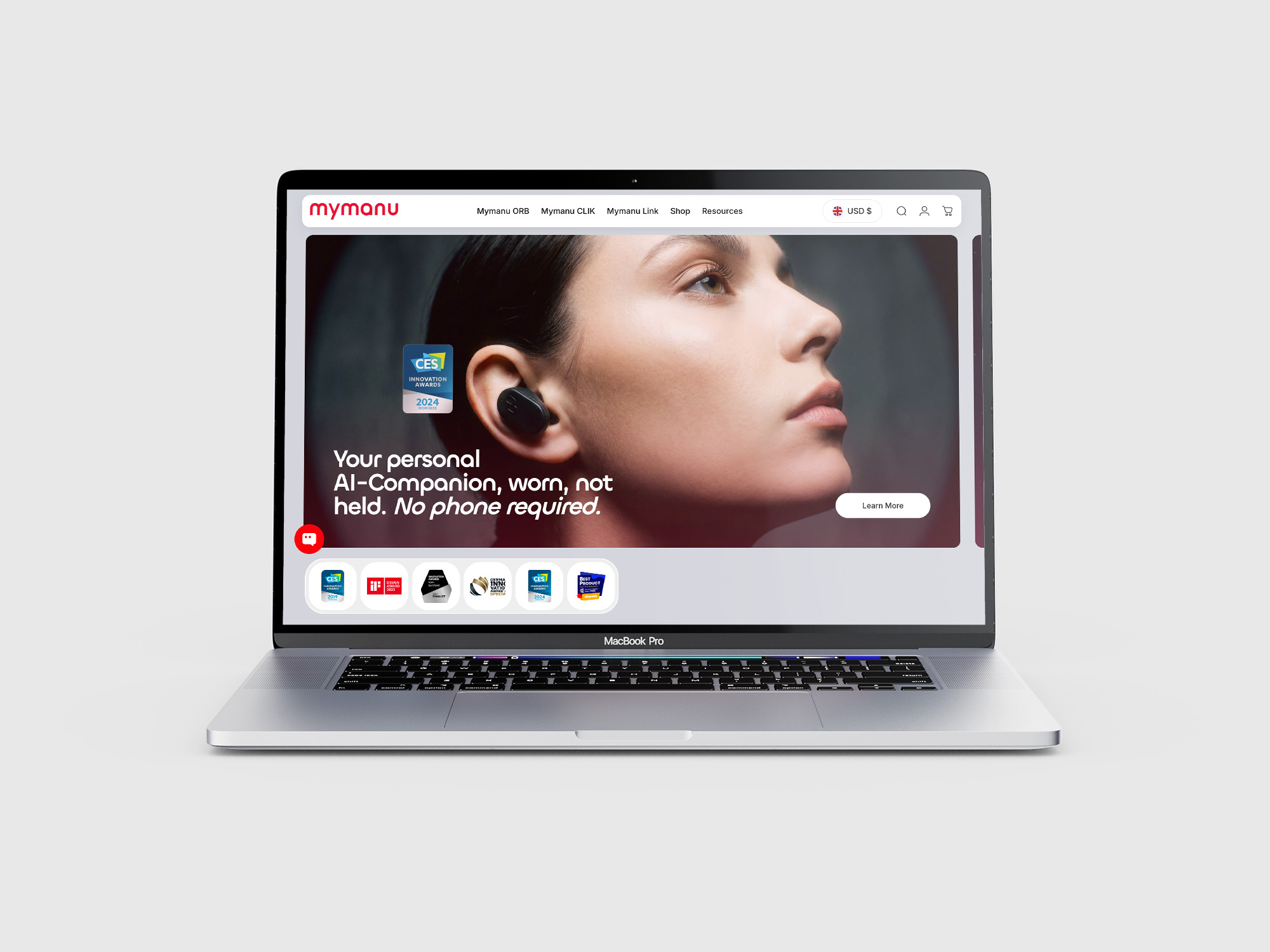
Better cross-cultural conversations start with hearing clearly and replying with confidence. See how Mymanu helps you listen, translate and stay present, from Lisbon streets to Seoul calls. Pick the device that fits your day.
Frequently Asked Questions
Q1: Best tools for cross-cultural communication?
Pick tools by situation. For travel, use real-time translation earbuds or a handheld translator. For work, use live captions, shared notes and clear messaging apps. Mymanu fits well when you want audio-first help that keeps attention on the person, not the screen.
Q2: Are translation devices better than phone apps?
They can be. Devices feel faster in face-to-face chats and keep your hands free. Apps are cheaper and good for light use. If sound quality, comfort and low distraction matter, a wearable option often feels more natural.
Q3: How do I avoid sounding rude across cultures?
Slow down, use simple words and check meaning often. Watch tone, pauses and turn-taking. Don’t trust direct translation alone. A good tool helps, but respect comes from listening first and noticing local habits in greetings, humour and disagreement.
Good cross-cultural communication tools help, but your habits matter more. Pick tools that fit the moment, listen first, and check meaning with care. UNESCO’s intercultural dialogue work shows dialogue builds trust, while data from over 160 countries links it with inclusion and peace.

Compartir:
Voice AI vs Conversational AI: Which Fits Mobile Users Better?
Translation Devices Compared: Earbuds vs Handhelds for Global Travelers